
Penis Envy
$250.00
Penis Envy Mushroom is a powerful and premium-grade mushroom variety known for its dense structure and rich potency. Users appreciate its strong effects, distinct appearance and slow but steady onset. Ideal for experienced consumers seeking a high-quality mushroom strain with reliable consistency and depth.
Concerning
Within the Psilocybe family, Penis Envy Mushroom is a well-known variant notable for its unique look and lengthy history in mycology discussions. This educational overview emphasizes its cultural significance, historical context, and morphology. Because of its robust stems, rounded caps, and distinctive form, the penis envy mushroom is frequently the topic of scholarly and identification-focused studies.
Genetics and lineage
The Penis Envy Mushroom is a member of the larger Psilocybe cubensis family, which is being researched for its genetic differences and ecological characteristics in various regions. Its distinct physical traits are influenced by its ancestry, which shows selective growth in natural settings.
Regional or cultural renown
Penis Envy Mushroom is one of the more well-known types due to its inclusion in mycological literature and discussions of subcultures. Because of its unique form and visual characteristics, which set it apart from many other Psilocybe variants, researchers and aficionados frequently refer to it.
User experience (physical characteristics and scent)
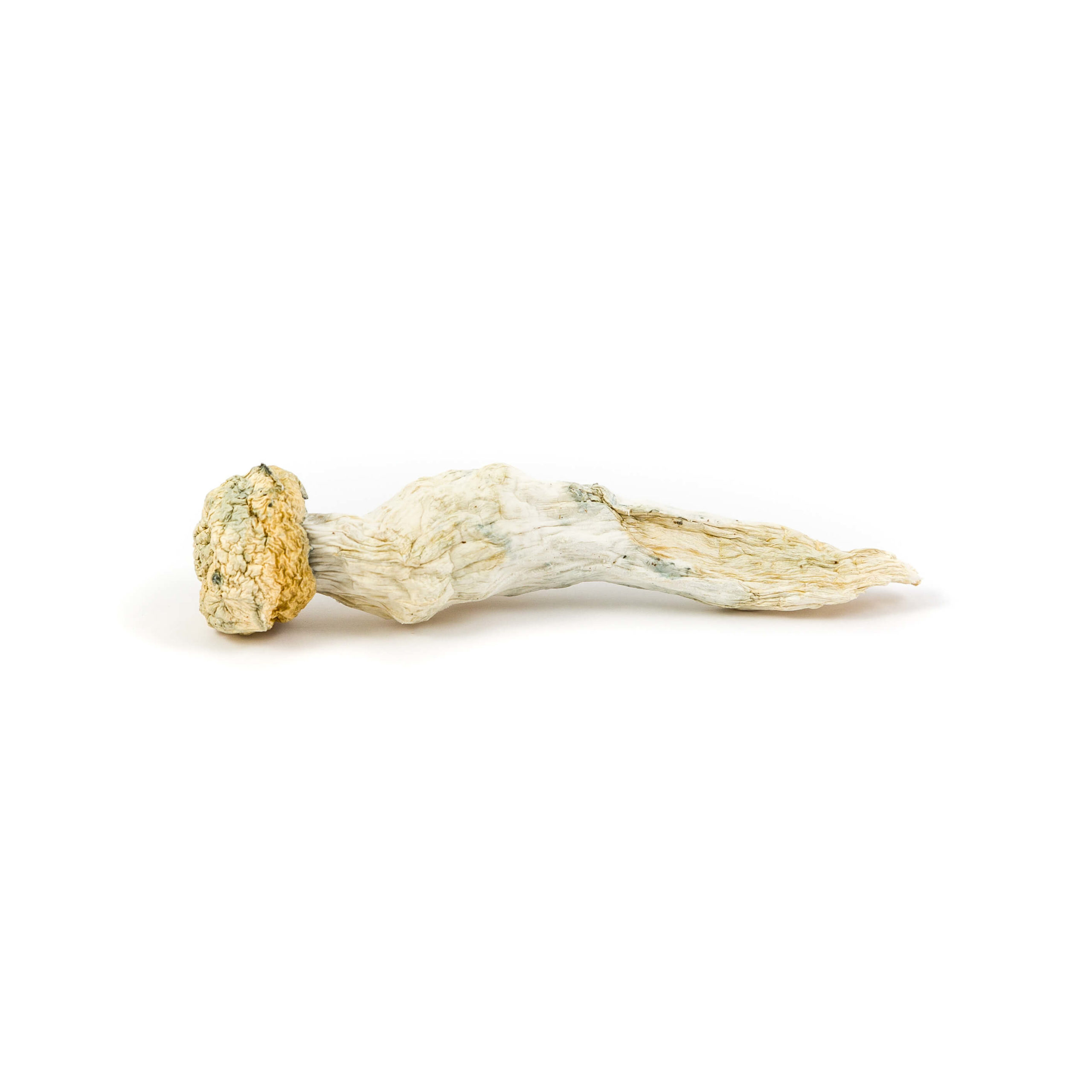
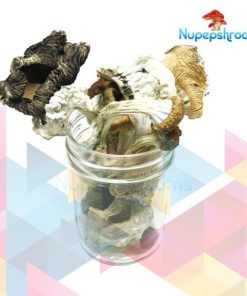
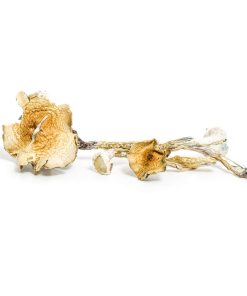
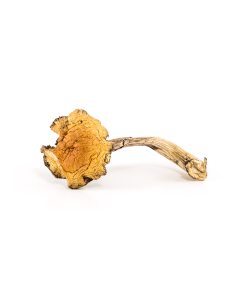
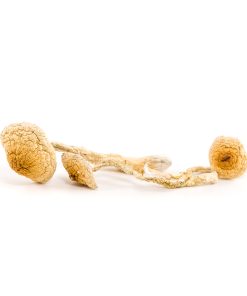
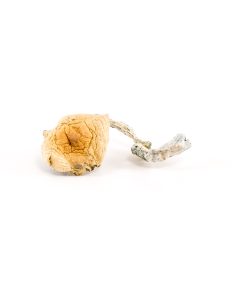
When viewed from the outside, Penis Envy Mushrooms usually have bulbous caps, stout stems, and a light to golden coloring. It has a solid surface texture and smells like the earthy scent of wild fungi.
Visual appearance
This cultivar is distinguished by its small cap opening and dense stem structure. Because spore prints are frequently darker, they are easier to classify during identification and research.
Comparisons with related types
The thickness and gill exposure of the Penis Envy Mushroom are significantly greater than those of other Psilocybe cubensis mushrooms. Because of its small size, it is often compared in academic and field-identification contexts.
Seasonality
This lineage of mushrooms usually appears in natural settings during warm, humid seasons when there is an abundance of organic matter.
Research appeal and subculture
The Penis Envy Mushroom is commonly cited in taxonomy, ethnomycology, and documenting of fungal biodiversity. Because of its unique shape, it is frequently used as a reference point in field guides and scientific graphics.
Observer notes for the first time
Since many species of mushrooms have similar visual characteristics, professional identification materials are crucial for anyone researching mushrooms in the environment.
Preserved specimen storage
In order to retain structure for documentation, educational or research specimens are usually kept in dry, cool conditions.
| Choose Quantity | 113g, 226g, 28g, 50g, shrooms |
|---|
Be the first to review “Penis Envy”
Related products
SHROOMS
$210.00
This product has multiple variants. The options may be chosen on the product page
Price range: $130.00 through $1,000.00
This product has multiple variants. The options may be chosen on the product page
SHROOMS
$230.00
This product has multiple variants. The options may be chosen on the product page

SHROOMS
$150.00
This product has multiple variants. The options may be chosen on the product page
SHROOMS
$210.00
This product has multiple variants. The options may be chosen on the product page
SHROOMS
$220.00
This product has multiple variants. The options may be chosen on the product page
SHROOMS
$210.00
This product has multiple variants. The options may be chosen on the product page
SHROOMS
$210.00
This product has multiple variants. The options may be chosen on the product page
Reviews
There are no reviews yet.