
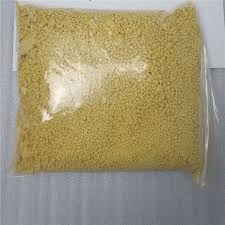
5-CL-ADB-A
Price range: $440.00 through $5,060.00
5-CL-ADB-A is a very potent Synthetic Cannabinoid. 5-CL-ADB-A is an analoge of a amylened 5F-ADB. 5-CL-ADB-A has the highest quality: 99,7% min. You can buy 5-CL-ADB-A online at wholesale price from trust supplier Sale-Chemicals.com with secure and discreet shipping.
Introduction to 5-CL-ADB-A
5-CL-ADB-A is a potent synthetic cannabinoid belonging to the indazole-based class of compounds. It is a research chemical primarily studied for its chemical properties, molecular structure, and interaction with cannabinoid receptors in laboratory settings.
Chemical Structure and Properties
The formal chemical name of 5-CL-ADB-A is:
methyl 3,3-dimethyl-2-(1-(pent-4-en-1-yl)-1H-indazole-3-carboxamido)butanoate.
- Molecular Formula: C20H27N3O3
- Molecular Weight: 357.45 g/mol
- Appearance: Crystalline solid
- Purity: ≥ 99.7%
5-CL-ADB-A is an analogue of amylene 5F-ADB, where the methyl ester group is replaced with an amylene moiety. This structural modification influences its chemical properties and receptor interactions.
Research Context
Synthetic cannabinoids like 5CL-ADB-A are studied in chemical and pharmacological research to understand their molecular interactions and potential receptor activity. Such research is important for:
-
Elucidating structure-activity relationships (SAR) among cannabinoid compounds
-
Understanding binding affinities to CB1 and CB2 receptors
-
Exploring potential applications in medicinal chemistry and drug discovery
Handling and Safety Considerations
As a research chemical, 5CL-ADB-A should only be handled in controlled laboratory environments. Safety data, such as toxicity and pharmacological effects, are limited, so proper laboratory protocols, personal protective equipment (PPE), and compliance with local regulations are essential.
Summary
5-CL-ADB-A is a crystalline, indazole-based synthetic cannabinoid studied primarily in scientific and chemical research contexts. Its high purity, unique structure, and relation to other synthetic cannabinoids make it an important compound for research into cannabinoid receptor activity and structure-activity relationships.
| Choose an option | 50g, 100g, 500g, 1kg, 3kg |
|---|
Be the first to review “5-CL-ADB-A”
Related products
Psychedelics Products
Price range: $1,950.00 through $32,000.00
This product has multiple variants. The options may be chosen on the product page
Psychedelics Products
Price range: $110.00 through $380.00
This product has multiple variants. The options may be chosen on the product page
Psychedelics Products
Price range: $410.00 through $11,000.00
This product has multiple variants. The options may be chosen on the product page
Psychedelics Products
Price range: $360.00 through $28,000.00
This product has multiple variants. The options may be chosen on the product page
STIMULANTS
Price range: $430.00 through $5,150.00
This product has multiple variants. The options may be chosen on the product page
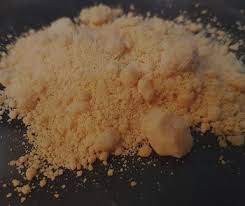
Psychedelics Products
Price range: $440.00 through $4,290.00
This product has multiple variants. The options may be chosen on the product page
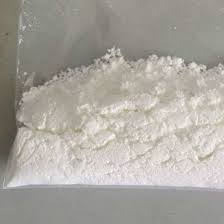
Psychedelics Products
Price range: $2,100.00 through $20,600.00
This product has multiple variants. The options may be chosen on the product page
Reviews
There are no reviews yet.