
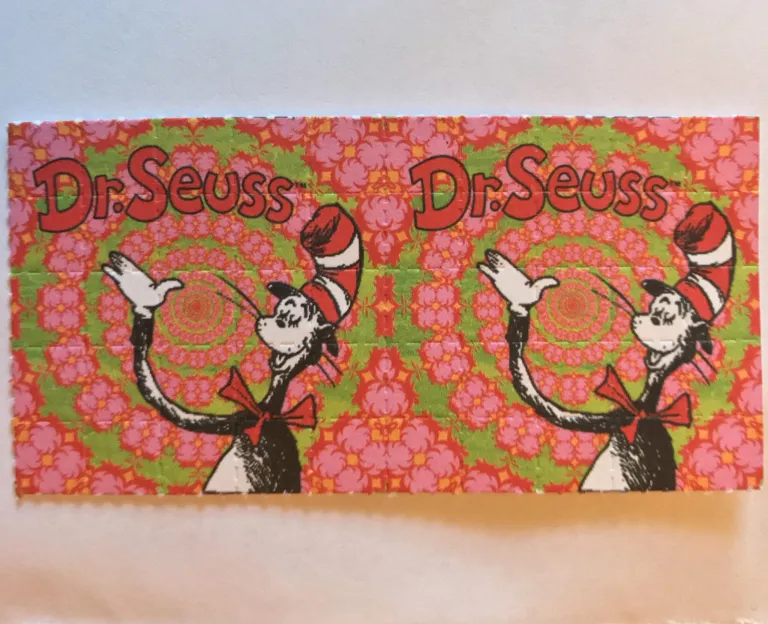
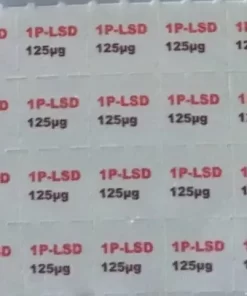
Buy 150x DS-3.0 LSD crystal 125µg
$450.00
Because of its use in the study of perception, cognition, and sensory change, LSD Crystal is frequently brought up in discussions of science and culture. This summary examines the traits, history, and research value of LSD crystal, providing a clear educational understanding of the compound’s historical understanding in academic and cultural contexts. Without promoting use, it offers a succinct overview of its history, visual form, and impact on modern consciousness research, psychology, and art.
Recognizing LSD Crystal: Features, History, and Research Findings Regarding
LSD Crystal is the pure crystalline form of lysergic acid diethylamide, a substance that has been examined in a variety of scientific and cultural contexts for its psychological and perceptual effects. Scholarly investigations into mood swings, sensory alteration, and cognitive perception have all made reference to LSD Crystal.
Profiles of Terpenes
Terpenes are absent from LSD Crystal. Its crisp, clean scent, however, is frequently compared to research compounds devoid of botanical components in talks about its sensory profile.
Although LSD Crystal is not a cannabis strain, its roots are in lysergic acid compounds that have historically been connected to ergot fungus. Its evolution has been extensively researched in the fields of psychopharmacology and chemistry.
Activity and Mood Pairing
Research on LSD Crystal frequently focuses on enhanced awareness, creativity, and introspection. Research highlights that people’s responses differ greatly from one another.
Content of Cannabinoids
There are no cannabinoids in LSD Crystal. Any analogy to THC or CBD is entirely scholarly and serves to highlight variations in receptor interaction and mechanism.
User Experience (Based on Research)
Academic reports discuss changes in emotional awareness, heightened colors, altered visual perception, and sensory augmentation. These descriptions are based on controlled study environments.
Popularity in a Culture or Region
In North America and Europe, LSD Crystal has been linked to psychedelic research movements, artistic communities, and counterculture history.
Methods of Consumption (Educational Context)
LSD Crystal is dissolved and added to blotter or liquid formulations in historical research. This section isn’t meant to be a guide; it’s only there to provide context.
Research Context by Time of Day
According to research, in academic settings, set, setting, and dosage have a greater influence on perceptual effects than time.
Effects’ Duration and Start
Historically, controlled studies report effects that last for many hours and start within an hour. The length of time varies depending on the researcher and the individual.
Expand Your Knowledge
There is no growth of LSD crystal. It is made chemically from derivatives of lysergic acid that are connected to ergot fungus.
Visual Appeal
Prior to dilution, LSD crystals is usually described in study as clear to white crystalline pieces.
Comparing This Compound to Others
Due to similar perceptual effects, academic books frequently compare LSD Crystal to psilocybin or mescaline, although they also point out notable structural and receptor activity distinctions.
Context of Medical Research
Current research investigates possible functions in emotional processing, cognitive flexibility, and mood control. Research is still regulated and under control.
A brief FAQ
Is LSD Crystal a type of cannabis?
No. It is a psychedelic substance that has nothing to do with cannabis.
Is THC present in LSD Crystal?
There are no cannabinoids.
Why does research discuss LSD Crystals?
Its impacts on perception, mood, and cognition are being researched.
Is it lawful?
In most places, LSD crystals is prohibited, and in research settings, it is highly restricted.
Breakdown of Flavor Profiles
Since LSD Crystals is not botanical, it lacks a flavor profile.
Perspective on THC/CBD Ratios
Since LSD Crystals doesn’t include any cannabis ingredients, there is no ratio.
Mapping Terpene-to-Effect
Since it lacks terpenes, it is inapplicable.
Appeal of Subcultures
Its past connections to music, art, and the counterculture add to the current cultural discourse.
Practices of Brand-Specific Cultivation
LSD Crystal is created in regulated chemical settings rather than being grown.
Seasonal Significance
Though safety and regulatory constraints always exist, this topic is frequently debated in relation to festivals or cultural events.
Visual Narrative
In literature and art, LSD Crystals is commonly portrayed in vivid, abstract images that represent sensory transformation.
Notes for First-Time Users (Safety Context)
Risks like psychological anguish and erratic reactions in unapproved circumstances are highlighted by experts. The significance of controlled research environments is emphasized in educational materials.
The Best Storage Advice (Research Source)
To preserve chemical stability, crystalline substances are kept in dark, dry, and cool conditions in research settings.
Be the first to review “Buy 150x DS-3.0 LSD crystal 125µg”
Related products
$200.00
This product has multiple variants. The options may be chosen on the product page
Price range: $125.00 through $380.00
This product has multiple variants. The options may be chosen on the product page
Price range: $200.00 through $750.00
This product has multiple variants. The options may be chosen on the product page
Price range: $250.00 through $650.00
This product has multiple variants. The options may be chosen on the product page
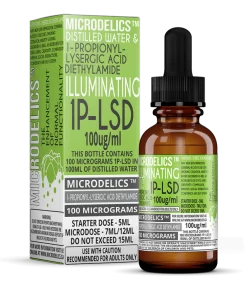
Price range: $100.00 through $225.00
This product has multiple variants. The options may be chosen on the product page
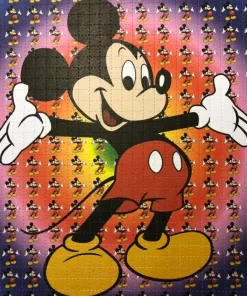
Price range: $170.00 through $600.00
This product has multiple variants. The options may be chosen on the product page
Reviews
There are no reviews yet.