
Introduction to 3-Methylfentanyl
3-Methylfentanyl (3-MF), also known as Mefentanyl, is a synthetic opioid analgesic structurally related to fentanyl. It is significantly more potent than fentanyl, estimated to be 10–15 times stronger, and several thousand times more potent than morphine. Side effects of 3-Methylfentanyls are similar to those observed with fentanyl, including respiratory depression and other opioid-related effects.
Chemical Structure and Properties
- CAS Number: 42045-86-3
- Molecular Formula: C23H30N2O
- Molecular Weight: 350.49 g/mol
- Purity: ≥ 99.7%
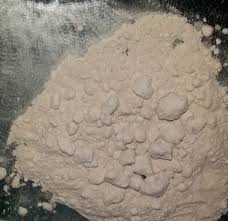
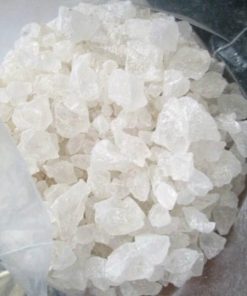
- Appearance: Crystalline solid
3-Methylfentanyls was first synthesized in 1974 and is part of the fentanyl analogues, a class of compounds with potent analgesic properties.
Research Context
3-Methylfentanyl is studied in controlled laboratory settings for:
- Opioid receptor binding affinity and pharmacology
- Structure-activity relationships (SAR) among fentanyl analogues
- Analgesic potency and pharmacokinetics
Due to its extreme potency, 3-Methylfentanyls is handled exclusively in high-security research environments with strict safety measures.
Handling and Safety Considerations
3-Methylfentanyls should only be used in controlled laboratory settings. Its high potency presents a severe risk of overdose and respiratory depression. Proper personal protective equipment (PPE), strict adherence to safety protocols, and compliance with local regulations are essential.
Summary
3-Methylfentanyl (3-MF, Mefentanyl) is a highly potent synthetic opioid studied in pharmacological research for its analgesic effects, receptor activity, and structure-activity relationships among fentanyl analogues.
| Choose an option | 50g, 100g, 500g, 1kg, 3kg |
|---|
Be the first to review “3-Methylfentanyl”
Related products
STIMULANTS
Price range: $750.00 through $8,700.00
This product has multiple variants. The options may be chosen on the product page
STIMULANTS
Price range: $475.00 through $5,600.00
This product has multiple variants. The options may be chosen on the product page
STIMULANTS
Price range: $620.00 through $11,950.00
This product has multiple variants. The options may be chosen on the product page

STIMULANTS
Price range: $325.00 through $4,250.00
This product has multiple variants. The options may be chosen on the product page
STIMULANTS
Price range: $430.00 through $5,150.00
This product has multiple variants. The options may be chosen on the product page
STIMULANTS
Price range: $580.00 through $5,200.00
This product has multiple variants. The options may be chosen on the product page
STIMULANTS
Price range: $540.00 through $9,600.00
This product has multiple variants. The options may be chosen on the product page
STIMULANTS
Price range: $690.00 through $9,000.00
This product has multiple variants. The options may be chosen on the product page
Reviews
There are no reviews yet.