
About
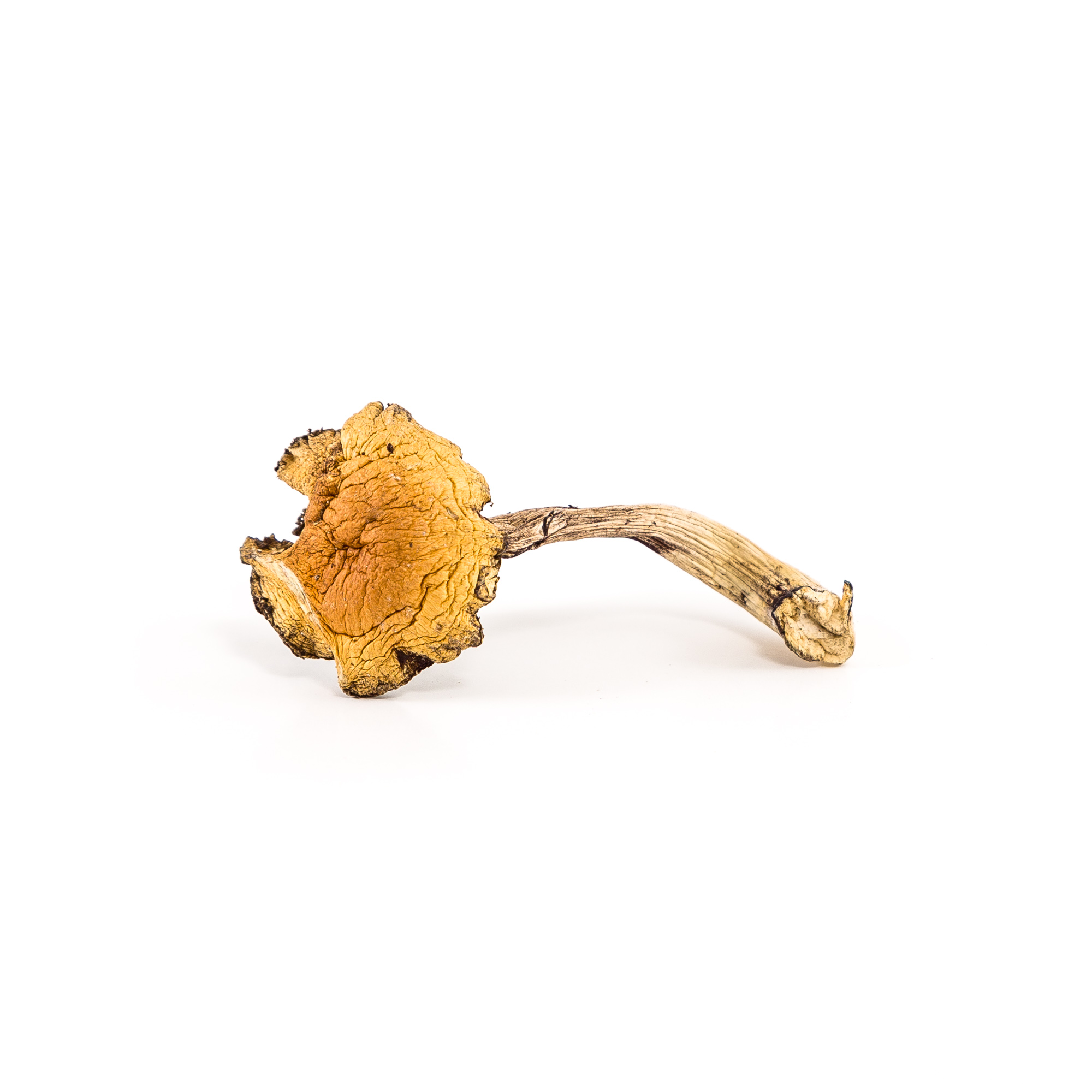
Mexican magic mushrooms are a well-known species within the Psilocybe family, recognized historically in parts of Mexico for their cultural significance and appearance. This overview focuses on their biological traits, regional heritage, and general characteristics. Mexican magic mushrooms are identified by their medium-sized caps, light stems, and distinct coloration patterns that interest mycology researchers and cultural historians.
Lineage and genetics
Mexican magic mushrooms belong to the Psilocybe genus, a group of fungi commonly studied for their ecological roles and unique genetic traits. Their lineage is tied to environments with warm climates and naturally rich soil.
Cultural or regional popularity
They have longstanding historical connections to Indigenous traditions in Mexico, where they appear in cultural stories and documented anthropological studies. Their name reflects this regional origin.
User experience (aroma, appearance, structure)
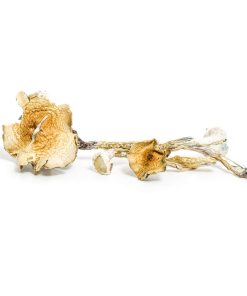
From an observational standpoint, Mexican magic mushrooms typically feature caramel-colored caps, pale stems, and a soft earthy scent. Their structure and surface texture make them recognizable within mycology communities.
Visual appearance
They are often identified by their conical caps, darker centers, and slender stems. Spore prints tend to lean toward darker hues, which helps with classification.
Comparisons to similar varieties
Compared with other Psilocybe species, Mexican magic mushrooms are noted for their lighter coloration and more delicate cap structure. Their morphology places them near several Central American species that share similar environments.
Seasonal relevance
In nature, they tend to appear in warm, rainy seasons in their native regions, which supports their natural growth patterns.
Subculture and research appeal
They are often referenced in academic discussions on mycology, cultural anthropology, and ecological biodiversity.
First-time observer notes
Anyone exploring their features for educational purposes should rely on verified mycology guides, as natural fungi can often look similar.
Storage for specimens
When preserved for legal research or educational documentation, specimens are typically kept in cool, dry conditions to prevent degradation of physical structure.
| Choose Quantity | 113g, 226g, 3.5g, 50g |
|---|
Be the first to review “Mexicana”
Related products
SHROOMS
$210.00
This product has multiple variants. The options may be chosen on the product page
Price range: $130.00 through $1,000.00
This product has multiple variants. The options may be chosen on the product page
SHROOMS
$230.00
This product has multiple variants. The options may be chosen on the product page
SHROOMS
$220.00
This product has multiple variants. The options may be chosen on the product page
SHROOMS
$250.00
This product has multiple variants. The options may be chosen on the product page
SHROOMS
$230.00
This product has multiple variants. The options may be chosen on the product page
Price range: $220.00 through $830.00
This product has multiple variants. The options may be chosen on the product page

SHROOMS
$150.00
This product has multiple variants. The options may be chosen on the product page
Reviews
There are no reviews yet.